
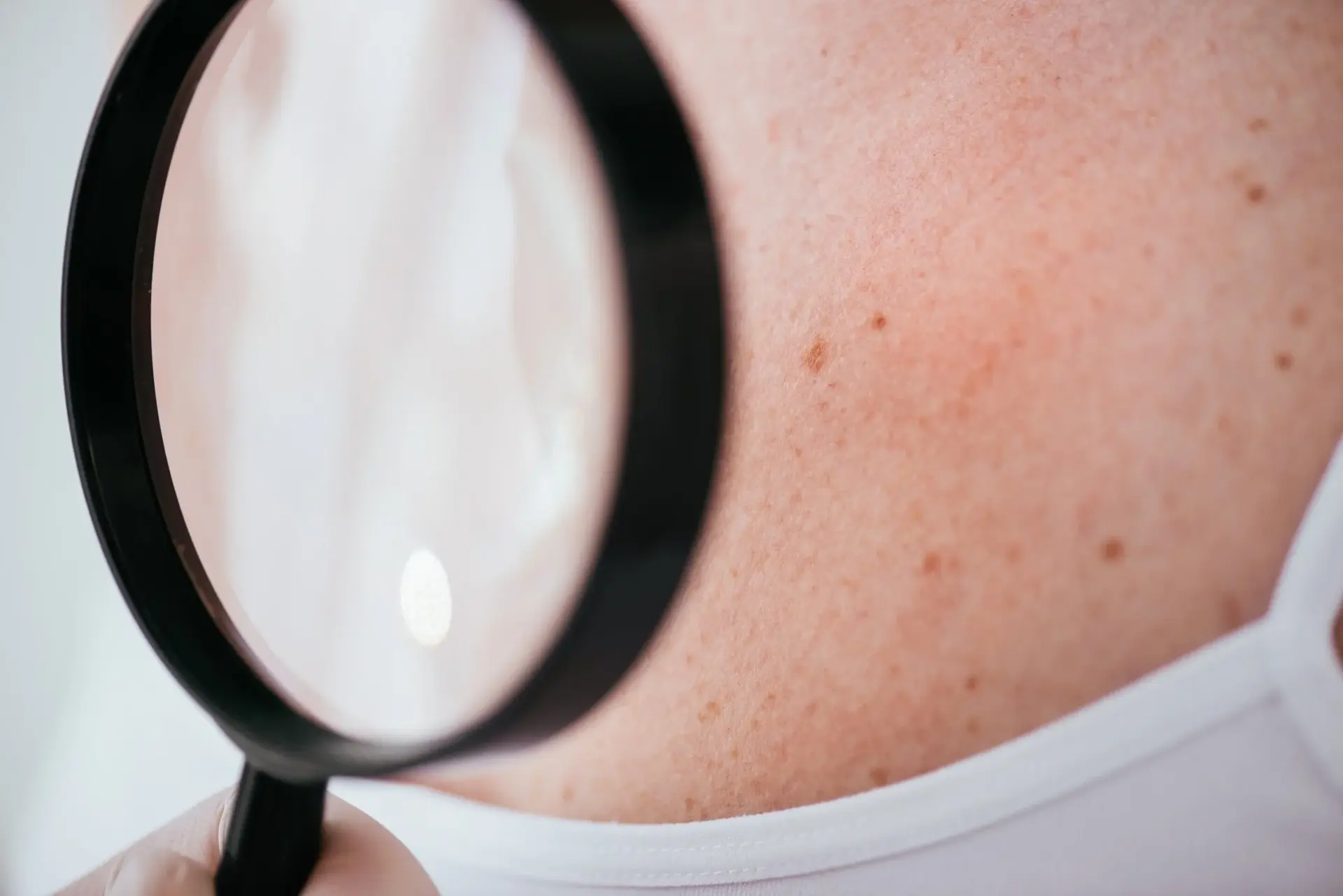
Eczema
Calm irritated skin, control itching, and prevent infection with personalized atopic dermatitis management.
Do I Have Eczema?
Eczema, also known as atopic dermatitis (AD), is a common inflammatory skin disease that affects up to 13% of children and 10% of adults in the US. It is a systemic and chronic disease meaning it is often a life-long condition that comes and goes and tends to flare with triggers. There is no cure for eczema.
It presents with red, itchy and inflamed patches that appear anywhere on the body. Scratching leads to inflammation, swelling and eventually cracking and weeping of the skin which can lead to subsequent skin infections. It is not contagious, but has a considerable impact on quality of life.
95% of people develop eczema before age 5. In infancy, eczema appears as itchy, red, scaly patches on the baby's face or chest. The goal of treatment is to manage eczema to prevent worsening, calm the skin, control itching, and prevent infections and skin thickening.
FAQ
Common Questions
What causes eczema?
Many factors contribute to the development of eczema including genetic susceptibility, environmental factors, microbiome and immune system dysregulation. A family history of allergic diseases like hay fever or asthma is an important risk factor.
What are the symptoms?
Infant eczema is usually acute, with lesions on the face, body and limbs. Adolescents and adults present with thickened or scratched lesions behind the knees and inside of the elbows, on the wrists, ankles and eyelids, around the mouth and on the hands. Complications include skin infections from constant scratching. Triggers include sweat, stress, heat, itchy fabrics, fragrances, pet dander, soaps, detergents, dust and pollen.
How is eczema treated?
Traditional treatments involve topical and oral medications. Moisturizers are essential to maintain the integrity of the skin barrier. Topical anti-inflammatory medications reduce inflammation, itching, and redness. Treatments for severe disease include phototherapy, immunosuppressants and short courses of steroids. Newer therapies include crisaborole (Eucrisa) ointment for mild to moderate AD, and dupilumab (Dupixent) for moderate to severe AD.

Relief for Your Skin
Schedule an eczema consultation with our board-certified team.
Explore
Other Medical Dermatology Services

Acne
Treatment is aimed at decreasing inflammation and bacteria.

Melasma
Treatment involves prevention through sun protection.

Cysts
Can be treated with drainage, injections, or simple excisions.

Moles
Mole evaluation and treatment targeted to your needs.

Seborrheic Keratosis
Cryotherapy and other modalities are used to address concerns.

Psoriasis
Topical therapies, phototherapy, and systemic therapy.

Skin Cancer
Treatments vary based on examination and diagnosis.

Excessive Sweating
Options include topical or oral prescriptions, Qbrexza, or Botox.

Rosacea
Topical and oral medications and laser treatments.

Hyperpigmentation
A variety of topical treatments and medications are offered.

Mohs Surgery
A surgery used to treat skin cancer, performed with care.

Skin Growths
Various treatments target the type of growth and your needs.